September 18, 2026
Residential electrical systems support nearly every part of daily life, from lighting and appliances to heating, cooling, entertainment, and charging devices. Because so many household systems depend on electricity, homeowners may need professional help when components wear out, new equipment is added, or the home's power needs change. Some projects involve simple repairs, while others require upgrades to wiring, panels, outlets, or dedicated circuits. Understanding the most common electrical services can help homeowners recognize when professional attention may be needed and what types of work electricians commonly perform. Whether the goal is to correct a problem, improve convenience, increase capacity, or support a renovation, qualified electrical work can help keep the home's system operating properly and safely.
Repairing Outlets, Switches, and Fixtures
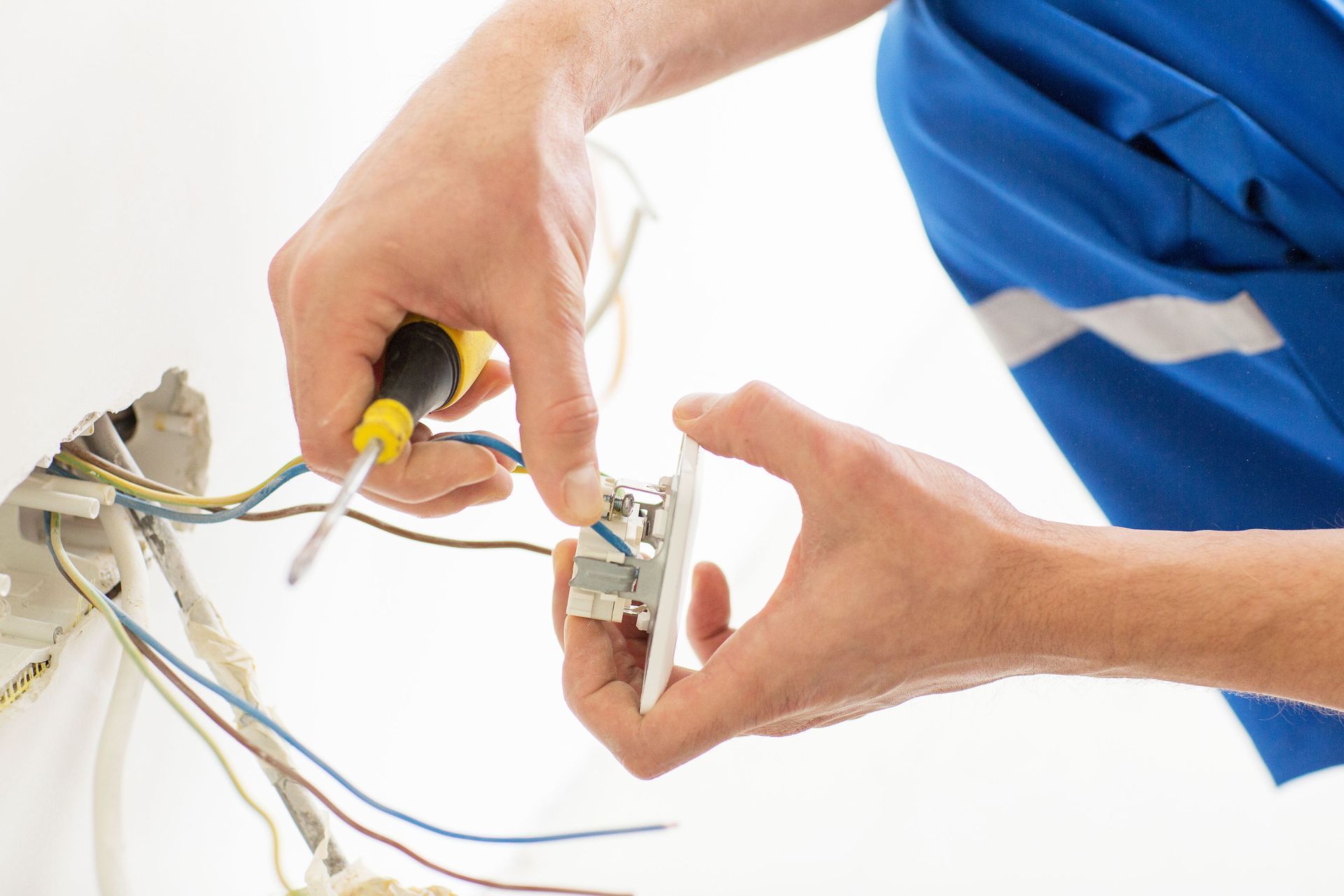
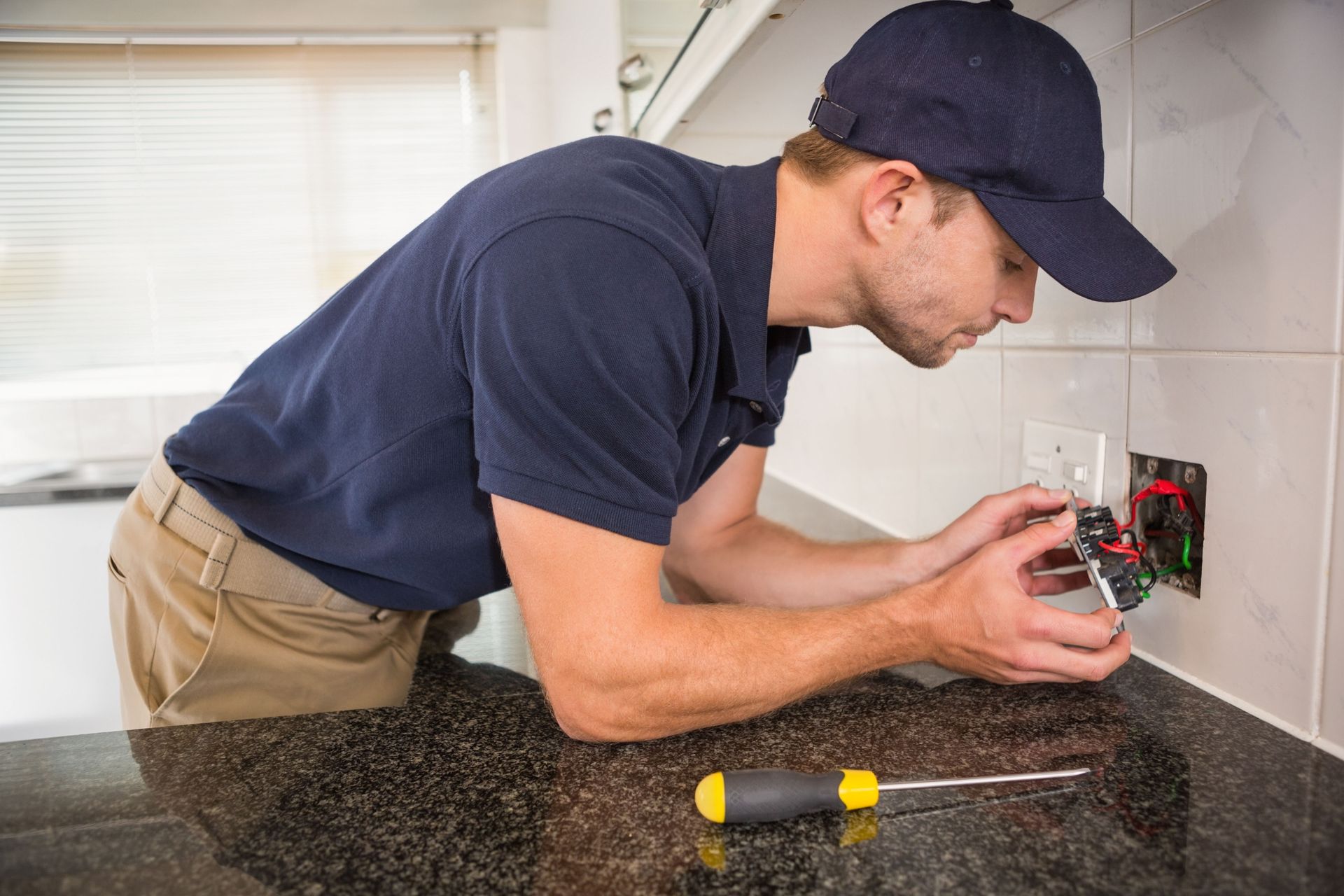
Outlets, switches, and light fixtures are among the most frequently used electrical components in a home, so they can develop problems over time. Homeowners may notice outlets that no longer provide power, switches that feel loose, lights that flicker, or fixtures that stop working consistently. In some cases, the issue may involve a worn device, while in others it may be connected to wiring, a breaker, or another part of the circuit. Because electrical problems are not always visible from the outside, a professional evaluation can help identify the actual cause.
Electricians can replace damaged outlets and switches, install new fixtures, and troubleshoot circuits that are not operating as expected. These electrical services may also include upgrading standard outlets to GFCI or AFCI protection where appropriate or adding outlets in areas where homeowners need more convenient access to power. Replacing older devices can also improve reliability and make everyday use easier. If an outlet feels warm, shows signs of discoloration, or produces sparks, homeowners should stop using it and have the issue inspected promptly.
Upgrading Electrical Panels and Capacity
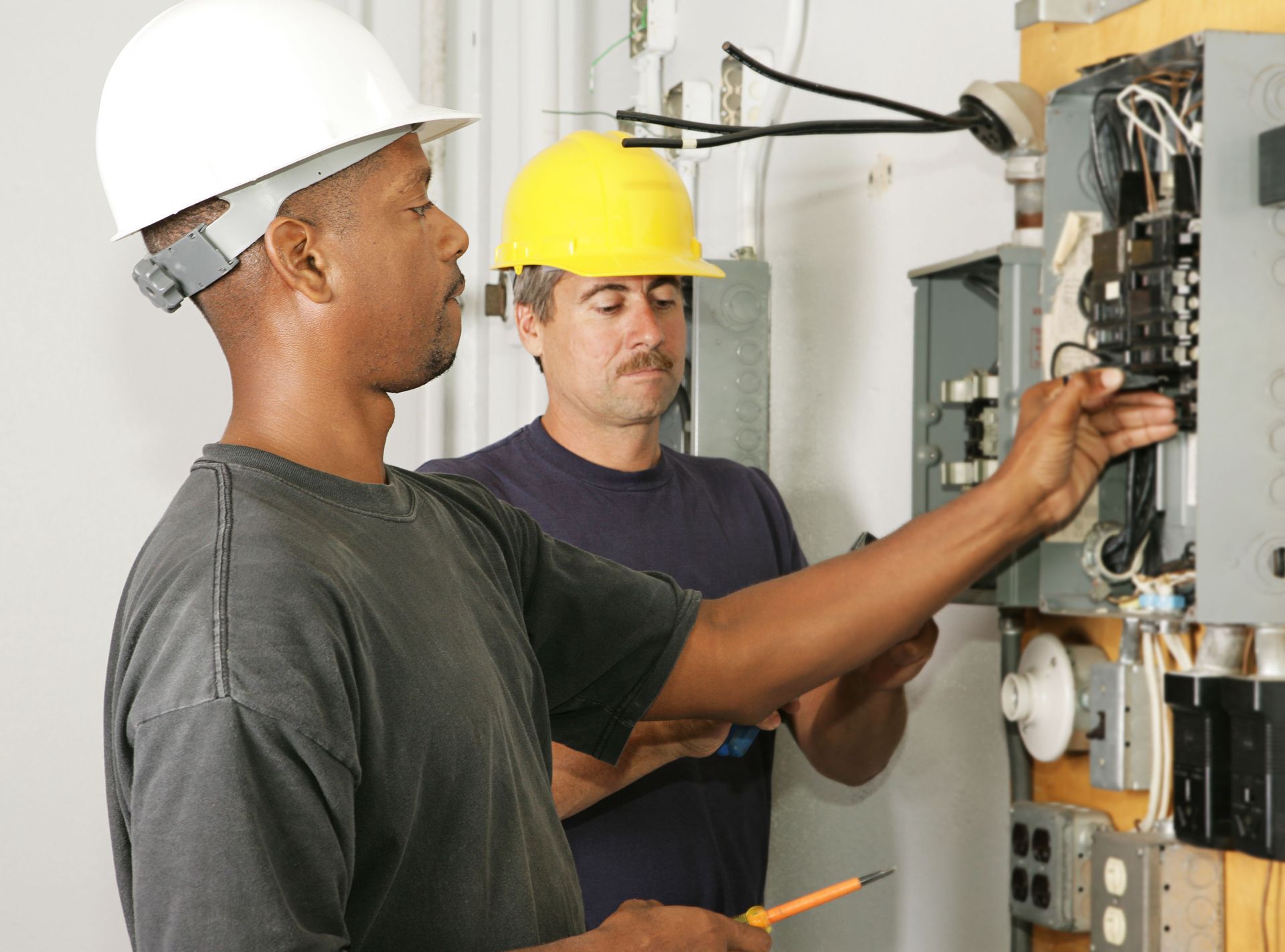
The electrical panel distributes power to circuits throughout the home and plays an important role in managing the property's overall electrical load. Older panels may have limited capacity, fewer available breaker spaces, or components that are no longer suited to modern household demands. Homeowners planning renovations, new appliances, electric vehicle chargers, or other high-demand equipment may need to determine whether the existing panel can support the additional load. Frequent breaker trips can also be a sign that the system needs to be evaluated.
According to HomeGuide, a typical home needs at least 100 amps of electrical capacity, while newer homes often require 200 amps or more. A licensed electrician can calculate the home's electrical demand and determine whether a panel upgrade is appropriate. Electrical services related to panel work may include breaker replacement, panel replacement, service upgrades, labeling, and correcting problems discovered during inspection. Increasing capacity can provide more room for future circuits and help support the growing number of electrical devices used in modern homes.
Installing Lighting and Ceiling Fans
Lighting upgrades can improve both the appearance and function of a home. Homeowners may want to add recessed lighting, replace outdated fixtures, install under-cabinet lights, improve exterior lighting, or add dimmers and other controls. New lighting can make work areas easier to use, improve visibility in hallways and stairways, and create different levels of brightness throughout living spaces. Outdoor lighting can also improve visibility around entrances, walkways, patios, and driveways.
Ceiling fan installation is another common residential project. Fans may require new wiring, a suitable electrical box, wall controls, or additional support depending on the location. Electrical services for lighting and fan projects can include removing old fixtures, installing new boxes, adding switches, upgrading controls, and checking the circuit for proper operation. Homeowners should avoid assuming that any existing ceiling box can support a fan because fan-rated boxes are designed to handle movement and weight differently from standard fixture boxes.
Adding Safety Devices and Protection
Modern electrical systems include several types of safety devices designed to reduce the risk of shocks, fires, and equipment damage. Ground-fault circuit interrupters are commonly used in areas where electricity and moisture may come into contact, such as kitchens, bathrooms, garages, and outdoor spaces. Arc-fault circuit interrupters are designed to detect certain types of dangerous electrical arcing. Smoke detectors, carbon monoxide detectors, and surge protection devices may also be connected to or supported by the home's electrical system.
Electricians can inspect existing protective devices and recommend replacements or upgrades when needed. These electrical services may include installing GFCI or AFCI breakers, replacing older receptacles, adding whole-home surge protection, or updating hardwired smoke and carbon monoxide detectors. Protective devices should not be viewed as substitutes for proper wiring, but they can provide an additional layer of safety. Homeowners should also test accessible devices according to manufacturer recommendations and have repeated tripping or unusual behavior evaluated instead of simply resetting the device over and over.
Troubleshooting Electrical Problems and Power Issues
Electrical problems can appear in many different ways, including flickering lights, buzzing sounds, tripped breakers, dead outlets, intermittent power, burning odors, or appliances that behave unexpectedly. Some issues are caused by a single faulty component, while others may be connected to overloaded circuits, loose connections, damaged wiring, or problems within the panel. Because similar symptoms can have different causes, troubleshooting often requires systematic testing rather than guesswork.
Professional electrical services can help identify where the problem begins and which components are involved. An electrician may inspect outlets, switches, breakers, wiring connections, and electrical loads to narrow down the source of the issue. Homeowners should avoid opening electrical panels or attempting repairs on energized wiring without proper training. Prompt troubleshooting can be especially important when symptoms involve heat, sparks, burning smells, or repeated breaker trips, as these conditions may indicate a problem that should not be ignored.
Supporting Remodeling and Home Improvement Projects
Many home improvement projects create new electrical needs even when electricity is not the main focus of the renovation. Kitchen remodels may require additional outlets, appliance circuits, lighting, and upgraded wiring. Bathroom renovations can involve lighting, exhaust fans, GFCI protection, and new fixture locations. Finished basements, home additions, workshops, and outdoor living areas may also require completely new circuits. Planning the electrical work early can help prevent delays once construction begins.
Electrical services for remodeling can include reviewing plans, determining circuit requirements, relocating outlets and switches, installing new wiring, and coordinating with other parts of the project. Homeowners should discuss both current and future needs before work begins so the electrical system can be designed with enough flexibility. Adding extra outlets, planning for future equipment, or leaving capacity in the panel may be easier during construction than after walls and finishes are complete. Thoughtful electrical planning can make the finished space more functional and reduce the need for additional work later.
Residential electrical work covers a wide range of projects, from replacing outlets and installing lighting to upgrading panels, adding circuits, troubleshooting problems, and supporting renovations. The right service depends on the age of the home, the condition of the existing system, the amount of power being used, and the homeowner's future plans. Professional electrical services can help address both immediate problems and long-term needs while ensuring that new equipment and wiring are installed correctly. Homeowners who notice electrical issues or are planning upgrades should have the system evaluated before attempting major changes. If you need help with repairs, improvements, or electrical upgrades in your home, contact Amp Electric.